




















Magnet fishing is a growing hobby that combines outdoor adventure, curiosity, and environmental cleanup. Using a strong magnet attached to a rope, people throw their gear into rivers, lakes, canals, and ponds to pull up metal objects hidden below the surface. What started as a small niche hobby has become a popular activity around the world, and it offers more benefits than many people realize.
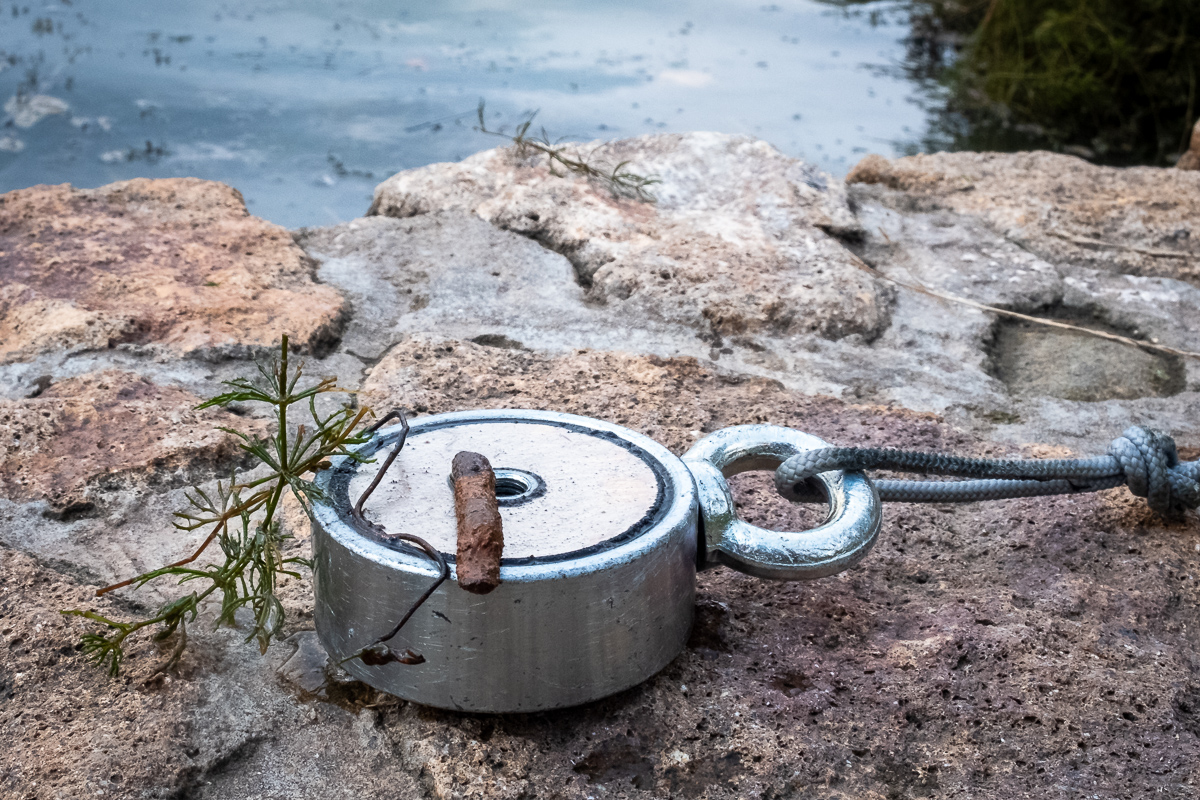
Magnet fishing works a lot like regular fishing, but instead of using a hook to catch fish, you use a magnet to catch metal. A typical setup includes a neodymium magnet (a very strong rare-earth magnet), a durable rope tied securely to the magnet, and gloves, with a grappling hook sometimes used for larger items. The magnet fisher tosses the magnet into the water, lets it sink, and slowly pulls it back in, hoping to feel that satisfying “clunk” when it latches onto something metal.
People have pulled up all kinds of objects, including coins and tools, bikes and scooters, old signs and scrap metal, and even historical items like old keys, locks, and weapons. While big treasures are rare, the experience itself—and the impact on the environment—are what keep people coming back.
One of the biggest benefits of magnet fishing is its positive effect on the environment. Bodies of water often hide years’ worth of dumped or lost metal objects. These items can leak pollutants, harm wildlife, and make areas look dirty and neglected. Magnet fishers help remove rusty tools and scrap metal, nails, screws, sharp objects, and larger items like bikes and shopping carts. Every haul taken out of the water makes that area a little bit cleaner and safer.
Metal trash in the water can injure animals or trap them. Removing this debris helps protect fish, birds, and other wildlife from getting cut, tangled, or poisoned by rust and chemicals. Magnet fishing also encourages environmental awareness. It often draws attention from people walking by, and when they see the amount of metal pulled from just one spot, it can be a powerful reminder of how much waste ends up in nature. This can inspire others to be more careful about littering and more interested in local cleanup efforts.
Beyond helping the environment, magnet fishing offers a number of personal benefits. It gets people outside and moving. Throwing the magnet, pulling in the rope, and lifting heavy finds is a light workout. It’s not the gym, but it’s a fun way to be more active, especially for people who might not enjoy traditional exercise.
Spending time near water is naturally calming. The slow, repetitive motion of casting and pulling in the magnet can be relaxing, similar to regular fishing. Many people find that magnet fishing reduces stress, helps them disconnect from screens, and gives them time to think and clear their minds.
There’s also a sense of adventure and discovery. No one knows exactly what lies beneath the surface. Even when the finds are small, the feeling of discovery keeps the hobby exciting. Occasionally, people uncover unusual or historic items, adding a sense of real-life treasure hunting.
Magnet fishing can be done alone, but it’s also a great group activity. Friends and family can take turns throwing the magnet, guessing what’s been caught, and helping haul in big objects. Online communities also share photos of finds, tips, and safety advice, helping people connect over their shared hobby.
Magnet fishing can benefit local communities in practical ways as well. Sometimes, magnet fishers pull out dangerous items such as knives, guns, and sharp scrap metal. These items, once safely handled and reported to authorities when necessary, are no longer a risk to swimmers, boaters, or children playing near the water.
In some areas, magnet fishers participate in organized cleanup events. By targeting metal objects that ordinary litter pickers can’t reach, they add an extra layer of effectiveness to these efforts.
However, while magnet fishing has many benefits, it also comes with responsibilities. People should check local laws, since some places have rules or restrictions on magnet fishing, especially in historic or protected areas. They should handle finds carefully. If someone discovers weapons, explosives, or suspicious items, they should not keep or handle them further and should contact local authorities.
Magnet fishers should also wear safety gear. Gloves and sturdy shoes help protect against sharp metal and heavy objects. It’s important to dispose of junk properly and not leave piles of metal on the shore. Items should be recycled or disposed of responsibly.
Magnet fishing is more than just a hobby—it’s a combination of exploration, environmental cleanup, and outdoor fun. It encourages people to spend time outside, care for their local waterways, and experience the thrill of discovery. Whether someone is searching for hidden treasures, looking for a new way to help the environment, or simply wanting a peaceful activity by the water, magnet fishing offers real benefits for both people and the planet.
If you find a potential firearm, put your magnet down gently and call your city’s non-emergency number unless there is an immediate threat to human life. If there is a threat, call 911.
If you find a potential explosive while magnet fishing, put the magnet down slowly and very gently. Once you have done so, get behind something like a concrete barrier or a thick tree. Once you are in a safe place, call 911 and listen to the operator’s instructions to the best of your ability.