






In 1977 Marvel Comics began Star Wars the comic to capitalize on the massive popularity of the film franchise. At this time comic book readership was in excess of 150,000 copies a month. The comic book market was a market in decline, and many hoped a syndicated comic book dedicated to the world’s most popular pop culture phenomena would result in massive sales. They weren’t wrong, initial Star Wars sales were excess of 250,000 copies a month. Yet, after the motion picture stories of the movies: Star Wars: A New Hope, Star Wars: Empire Strikes and Star Wars: Return of The Jedi so did readership in the comic. That being said, comic sales would fluctuate, but ultimately, Marvel’s Star Wars comic run would be seen as a modest success, and that would barely outlive the release of the Original Trilogy films. That being said, let’s look at the series nearly 45 years later.
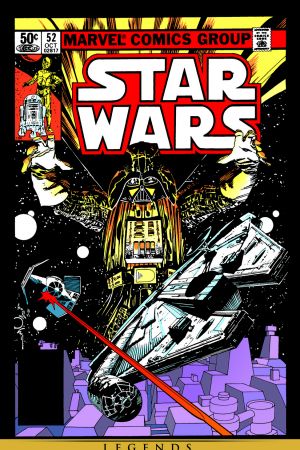
The comic series quickly moved on with new storylines following Star Wars: A New Hope (1977) with Luke Skywalker, Princess Leia and Han Solo. The stories early on kept the excitement going for die-hard fans between movie releases, but that was it. The stories themselves are imaginative, including some of Marvel’s best writers, pencilers, inkers and editors. Though talented, the bizarre creatures and characters they created didn’t have the same impact on readers as seeing Chewbacca, the Wookiee, in the films. For example, they created Jaxxon, a 6-foot tall, green, talking rabbit who was a smuggler. The character, like most of the characters, were carbon copy comic book artifice, borrowing heavily from pulp science fiction. What made Star War films amazing where comic book art is static and cannot capture the visual appeal and designs of the film, and it seemed the retired, cliche mechanizations of the comic book weren’t keeping pace with the readership’s imaginations.
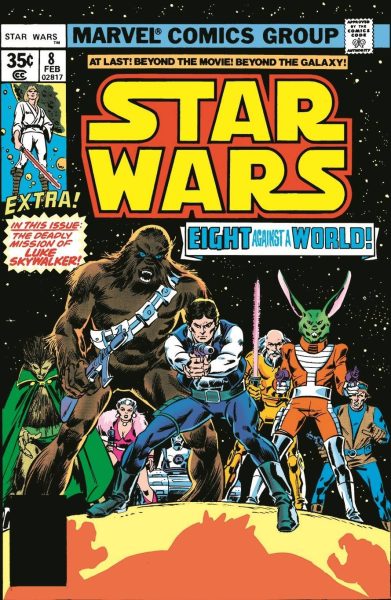
Visually the comic book captured the retro sci-fi look of the 1970’s, blending come cinematic influences. Yet the comic books couldn’t capture the battle sequences of spaceships twirling, and the dynamics flare of light saber duels. The artwork couldn’t quite capture the distinct special effects of landscapes, stars and special effects that could dazzle the imaginations of the reader. The most interesting ways the comic book worked was after the film series ended, and the writers were able to examine characters, and write storylines that were deeper, compelling and conceptualized based on their own narrative foundations. This complexity allowed them to create established strange and imaginative stories with new alien species, bizarre aliens and experimental technologies, more dangerous than the Death Star. This was good storytelling, except without new movies, interests of the casual fans saw comic book sales dip below 100,000 copies a month.
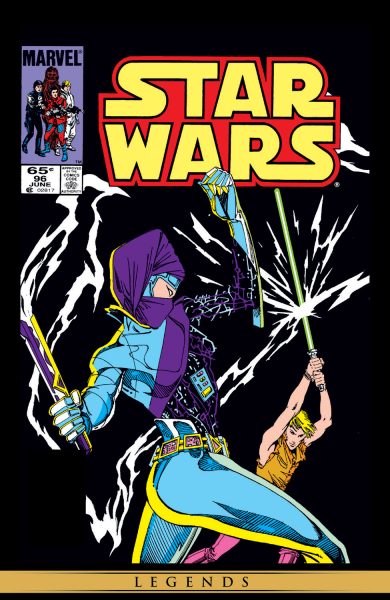
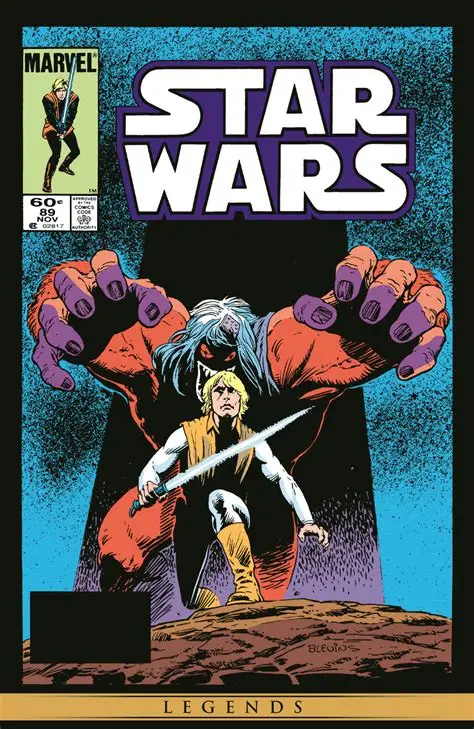
The most amazing story arc was a romance for Luke Skywalker with a character named Shiira. She was a brilliant rebel soldier, and an immensely popular character. In short, at the sake of too many spoilers, Shiira is killed on a mission where communications between Skywalker and the rest of his soldiers, disguised as an Imperial Tie Fighter Fleet, infiltrate Imperial defenses. Yet, during the mission, communications between the rebels went down, and Luke uses the force to detect his true enemies, and one of the 1st tie fighters he blows up is Shiira’s! After the battle, Luke is charged with the murder of Shiira. Many rebels felt Luke was jealous of her surging popularity, and Luke was doubting his ability as a Jedi and his faith in the Force itself was shaken, because it told home to shoot. The stories are amazing, as the above artwork can show you.
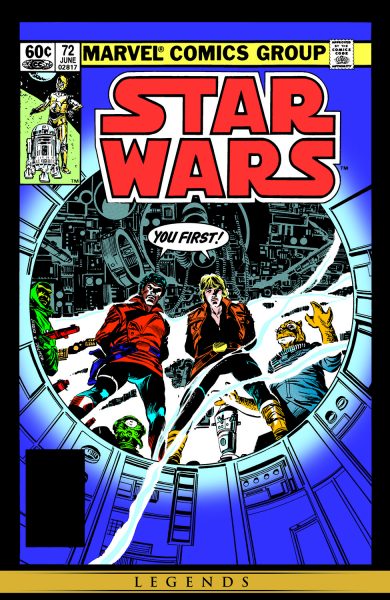
In the end, the best artwork by Drew Struzan, and best writing by Jo Duffy, was largely ignored as the film trilogy wrapped up, so did mainstream interest in the Star Wars comic book. The stories in the end, are dramatic, funny, creative and by far better than most of the recent comic book stories being published today, and live-action Star Wars in Disney Plus. These books are a worthwhile read and will always act as the 1st bridge between the films and reader’s imagination. The books exhibit ideas in cinema, and how cinematic ideas can become a part of other forms of media. The recent success of the Marvel Cinematic Universe (MCU) showed with good production and writing the two genera can be successful. Marvel’s original Star Wars (1977-1983) is very much worth the read.